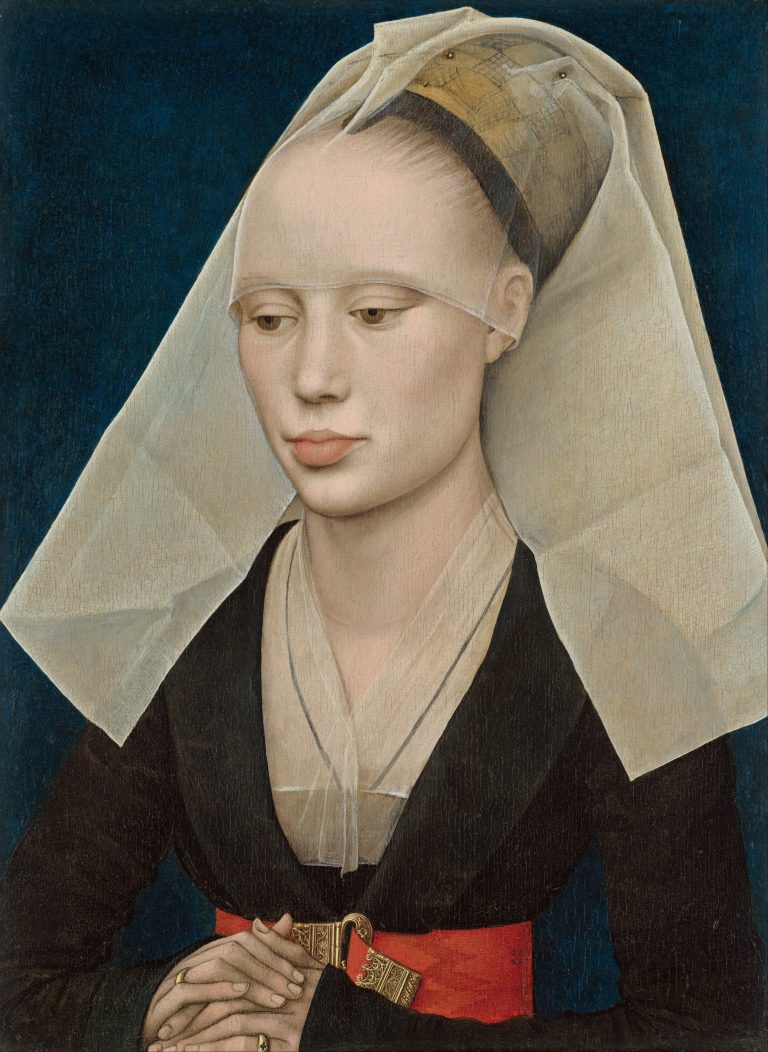
What do these beautiful Renaissance women have in common? Frontal Fibrosing Alopecia
|

What do these beautiful Renaissance women have in common? Frontal Fibrosing Alopecia

What do these beautiful Renaissance women have in common: Could it be an epidemic of frontal fibrosing alopecia? Throughout Europe, at the end of the 15th century, the greatest portrait painters gave these women a haughty appearance, with foreheads that seem to stretch disproportionately high. This fashion trend originated in France when the ladies-in-waiting of…

Mannerism – A Risk of Overdiagnosis in Iconodiagnosis
|

Mannerism – A Risk of Overdiagnosis in Iconodiagnosis

Mannerism : A Risk of Overdiagnosis in Iconodiagnosis Mannerism is an artistic movement that emerged in early 16th-century Italy as a reaction against the aesthetic criteria of the Renaissance, which were inspired by ancient sculpture. The perfect proportions and mathematically constructed architectural perspectives were rejected by young artists who drew inspiration from Michelangelo’s later works…

Medicine, Art History : The Art of Discussion
|

Medicine, Art History : The Art of Discussion

Medicine, art history : The Art of Discussion Medicine is not a solitary endeavor, and staff meetings are essential to our practice. In art history as well, confronting one’s analysis with others is fundamental. Caricaturists have certainly taken notice, delighting in poking fun at the sometimes heated debates where distinguished individuals can lose their cool…

Medicine, Art History  : The art of Observation
|

Medicine, Art History : The art of Observation

Medicine, art history : The Art of observation What do a 17th-century physician and a 20th-century art critic have in common? Or a Dutch genre painter and a deliberately provocative American press illustrator? Medical semiology or the analysis of a painter’s palette and brushwork? Making a diagnosis or attributing a painting to an artist? You…